Thesla Script: Mastering the Art of Handmade Elegance
Finding a typeface that captures a genuine human touch without sacrificing legibility is a common struggle in modern typography. We often look for a script font that feels personal and artistic, yet still functions well in professional environments like logo design or packaging design. Thesla Script enters the conversation as a distinct solution for designers and creators who need that delicate balance. It is not just another handwritten font; it is a carefully crafted tool designed to bring a specific, refined aesthetic to your brand identity and creative projects.
Visual Characteristics and Distinct Style
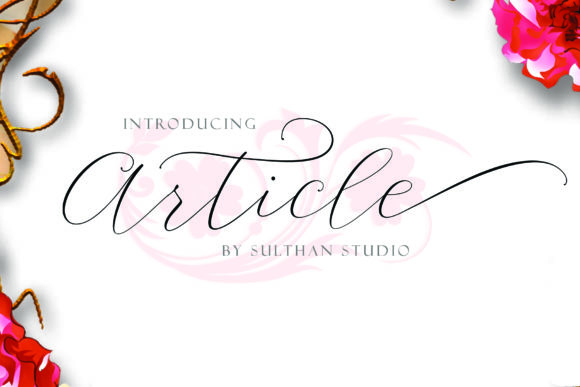
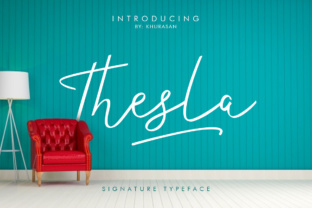
At its core, Thesla Script is defined by its structure. As a handmade, thin line font, it rejects the heavy, bold strokes that dominate many contemporary designs. Instead, it offers a delicate, airy aesthetic that feels sophisticated and organic. The lines are consistent yet maintain a subtle irregularity that proves its handmade origin. This visual weight makes it an excellent choice for projects that require a touch of elegance without overwhelming the viewer. It functions as a display font that commands attention through subtlety rather than volume.
The personality of Thesla Script is approachable and refined. It avoids the chaotic loops of traditional cursive while steering clear of the rigid geometry of a standard sans serif font. This middle ground allows it to communicate warmth and professionalism simultaneously. Whether you are a graphic designer working on a luxury brand or a hobbyist creating wedding invitations, the font adapts to the tone you set. It serves as a versatile design asset that complements a wide range of visual languages, from rustic to modern minimalism.
Strategic Applications in Branding and Marketing
Understanding where Thesla Script fits best requires looking at the context of your project. In branding, first impressions are everything. Using this font for a primary wordmark can signal to your audience that your brand values detail and authenticity. It is particularly effective for lifestyle brands, boutique agencies, and artisanal products. When used in logo design, the thin lines ensure that the text remains legible even when scaled down for business cards or favicon sizes, provided the tracking is managed correctly.
Beyond logos, Thesla Script shines in editorial design and web design. For bloggers and content creators, using this typeface for pull quotes or article headers can break the monotony of standard body text, adding visual interest and guiding the reader’s eye. In the realm of social media graphics, where grabbing attention is paramount, a premium font like this can elevate a simple Instagram post into a professional piece of content. It helps marketers and entrepreneurs maintain a high-end aesthetic across digital platforms without requiring complex design software.
Influence on Hierarchy and Readability
A common concern with script and handwritten fonts is readability. However, Thesla Script handles this challenge with grace. Because it is a thin line font, it creates a distinct contrast when paired with heavier typefaces. This makes it a powerful tool for establishing visual hierarchy. For example, pairing Thesla Script with a bold serif font or a clean geometric sans serif font creates a dynamic interplay between the organic and the structured. This contrast helps separate headlines from body copy, making your layouts easier to scan and more engaging to read.
The influence on audience engagement should not be underestimated. Typography sets an emotional tone. The delicate nature of Thesla Script invites the viewer to look closer, fostering a sense of intimacy. For publishers and small business owners, this can translate into better connection with the target demographic. It suggests that the content was curated with care, which enhances perceived professionalism and trust. It is a subtle psychological cue that reinforces the quality of your product or service.
Practical Guidance for Implementation
When integrating Thesla Script into your workflow, consider these practical steps to maximize its potential:
- Evaluating Project Fit: Assess the mood of your project. Thesla Script works best for themes involving elegance, nature, romance, or luxury. It may be less suitable for corporate finance or heavy industrial contexts where a rigid sans serif is preferred.
- Testing Font Pairings: Do not let the script stand alone for large blocks of text. Use it for headers or accents and pair it with a highly legible serif or sans serif for body copy. This ensures your message is communicated clearly while maintaining aesthetic appeal.
- Reviewing Included Styles: Check for alternate characters or ligatures within the font files. Many premium fonts include stylistic sets that allow you to customize the look of specific letters, preventing repetition in longer words and adding a truly custom feel to your designs.
- Readability Considerations: Always test your typography at the actual size it will be viewed. While Thesla Script is legible, its thin strokes require sufficient contrast against the background. Avoid placing it over busy textures without a solid backing or drop shadow.
- Commercial Licensing: As a commercial font, ensure you have the correct license for your usage. If you are a designer creating assets for clients, verify if the license covers client projects or if they need to purchase their own copy.
Enhancing Creative Projects
For crafters and those involved in physical products, Thesla Script offers significant advantages in packaging design. Its thin profile allows for intricate label designs that look hand-drawn but are scalable and consistent. Imagine a tea label, a candle box, or a skincare product; the font adds an artisanal quality that suggests handcrafted care.
In the digital space, the font serves as a bridge between the organic and the technological. Web designers can use it to soften the hard edges of a grid-based layout. Entrepreneurs building personal brands can use it to inject personality into their email headers or website banners. It is a creative font that encourages experimentation. Whether you are designing a wedding suite or a corporate mood board, Thesla Script provides the flexibility to explore different artistic directions.
Conclusion
Thesla Script is more than just a collection of vector paths; it is a design asset that bridges the gap between raw creativity and polished execution. Its strength lies in its ability to remain understated yet impactful. By understanding its visual characteristics and applying it strategically, designers, marketers, and creators can leverage this typeface to build stronger brand identities and more engaging content. It proves that in the world of modern typography, sometimes the most powerful statement is made with the lightest touch.